Jason Arday, Ex-Cambridge Professor, Found Dead at 41
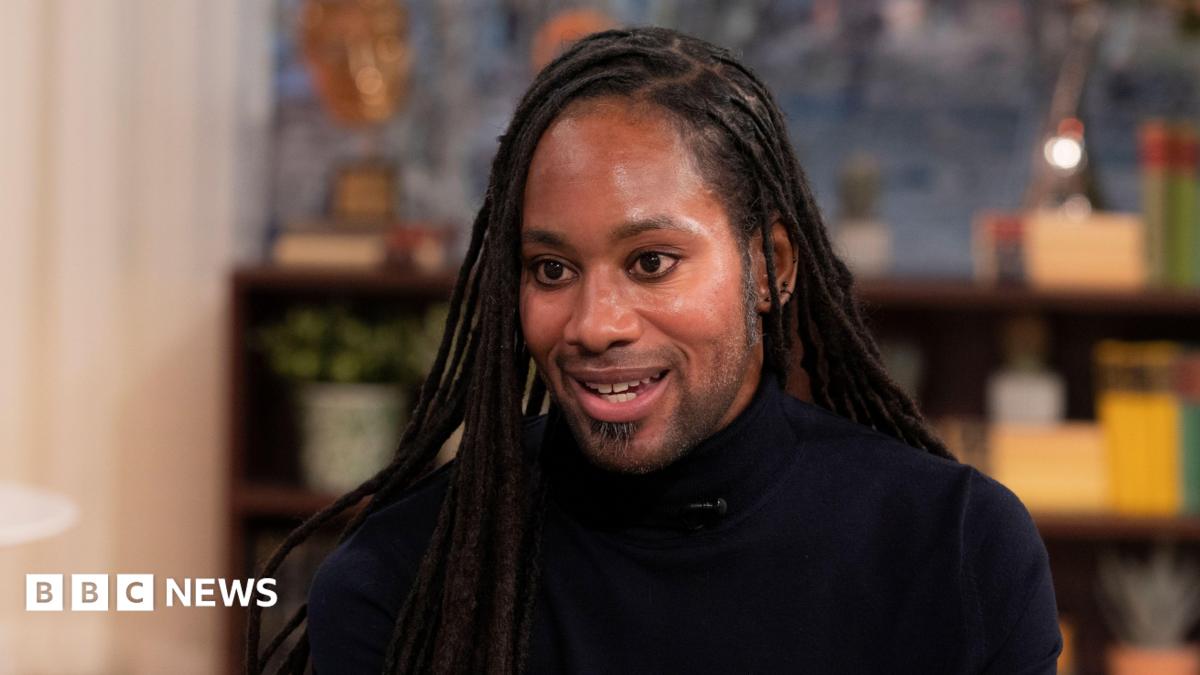
Jason Arday: Former Cambridge university professor found deadImage Credit: BBC News
Key Points
- •LONDON – Dr. Jason Arday, the academic whose celebrated appointment as the University of Cambridge’s youngest-ever Black professor was followed by a rapid and public downfall amid plagiarism allegations, has been found dead. He was 41.
- •Personal Cost: Dr. Arday stated that the "personal cost" of the scrutiny had become "too great" for him and his family to bear.
- •Beyond Scholarly Disagreement: He described the experience as having gone "far beyond scholarly disagreement," citing "relentless accusations, speculation and public commentary."
- •A Firm Stance: He stressed that his resignation should not "be mistaken for an acceptance of the narratives that have surrounded me."
- •Overcoming Adversity: Dr. Arday was diagnosed with a global development delay and autism spectrum disorder as a child. He was non-verbal until the age of 11 and did not learn to read or write until he was 18.
Jason Arday: Former Cambridge university professor found dead
LONDON – Dr. Jason Arday, the academic whose celebrated appointment as the University of Cambridge’s youngest-ever Black professor was followed by a rapid and public downfall amid plagiarism allegations, has been found dead. He was 41.
The Metropolitan Police confirmed that emergency services were called to an address in Battersea, south London, on Friday afternoon, where a man was found unresponsive. The death is being treated as unexpected but is not believed to be suspicious.
Dr. Arday’s death comes just one week after he resigned from his prestigious post as a professor of sociology of education, citing the "profound toll" of an intense public controversy surrounding his academic work. His family said in a statement that the "campaign of misinformation was too much" for a man they described as a gentle father, partner, and son.
The news has sent shockwaves through the academic world, prompting an outpouring of grief and raising difficult questions about the nature of academic scrutiny, public pressure, and institutional responsibility.
The Controversy and Resignation
The professional crisis that engulfed Dr. Arday erupted after another academic, Nathan Cofnas, published claims of extensive plagiarism in Dr. Arday's work. The allegations cast a shadow over a career that had been widely hailed as a story of remarkable triumph over adversity.
Dr. Arday vehemently denied any intentional plagiarism but acknowledged that errors existed in some of his early academic papers. He attributed these mistakes to his neurodiversity, explaining that his autism led him to rely on mimicry to process and articulate complex information.
In an interview with The Times earlier this month, he expressed his anguish over the public narrative. "We're talking about academia here. I didn't murder somebody," he said. "I think the cruelty that I've experienced and the positioning of me as this kind of liar and fantasist is totally unacceptable."
The pressure ultimately led to his resignation from Cambridge last week. In his departing statement, he was clear that his decision should not be seen as an admission of guilt.
- Personal Cost: Dr. Arday stated that the "personal cost" of the scrutiny had become "too great" for him and his family to bear.
- Beyond Scholarly Disagreement: He described the experience as having gone "far beyond scholarly disagreement," citing "relentless accusations, speculation and public commentary."
- A Firm Stance: He stressed that his resignation should not "be mistaken for an acceptance of the narratives that have surrounded me."
A Celebrated Rise
Dr. Arday's appointment to a full professorship at Cambridge in 2023 at the age of 37 was a landmark moment. His personal story was a central part of the narrative, serving as an inspiration for many.
- Overcoming Adversity: Dr. Arday was diagnosed with a global development delay and autism spectrum disorder as a child. He was non-verbal until the age of 11 and did not learn to read or write until he was 18.
- An Unconventional Path: He began his career as a physical education teacher before pursuing higher education, eventually earning a PhD from Liverpool John Moores University (LJMU) in 2015.
- Rapid Academic Ascent: Following his doctorate, he held positions as an associate professor at Durham University and a professor of sociology of education at the University of Glasgow before his high-profile move to Cambridge.
His forthcoming memoir, Great And Unfortunate Things, was set to detail this journey. While it was released in the United States this week, a promotional event in the UK was cancelled last weekend.
Institutional Responses and Unanswered Questions
The allegations against Dr. Arday prompted a series of reviews and investigations at the universities where he had studied and worked. The response from these institutions has been a mixture of due diligence and, now, profound sadness.
University Actions
- Liverpool John Moores University (LJMU): The institution that awarded Dr. Arday his PhD had previously investigated claims related to his thesis and concluded that he had not committed plagiarism.
- University of Glasgow: Following the new allegations, the university announced its own review into his previous academic work.
- University of Cambridge: After initially pointing to LJMU's findings, Cambridge announced earlier this week that it was launching a "thorough and transparent" independent investigation into Dr. Arday's appointment.
In a letter to staff, Cambridge Vice-Chancellor Professor Deborah Prentice acknowledged the "concerns being raised across the university and well beyond it."
Following the news of his death, Professor Prentice said, "We are desperately saddened to hear this tragic news. Our heartfelt sympathies go to Jason Arday's family and friends at this incredibly difficult time."
Similar statements of shock and sadness were issued by Durham University, which remembered him as a "kind and warm person," and the University of Glasgow.
The Aftermath: Grief and Scrutiny
Dr. Arday’s death leaves a complicated legacy and a host of unresolved issues. Tributes have poured in from across the political and academic spectrum, with Education Secretary Lucy Powell urging people to "remember there are real people with loved ones involved."
However, his passing has also ignited a debate about the intensity of the campaign against him. Jolyon Maugham of the Good Law Project questioned the ethics of the continued media focus after Dr. Arday had already resigned his post. "I do not understand what the public interest was in continuing to hound him after he resigned as a professor," Maugham stated, questioning the "risk assessments" done by media outlets.
The independent investigation announced by Cambridge University now hangs in the balance. The tragic end to Dr. Arday's life leaves the academic community to grapple with the outcome of a story that began as one of inspiration but concluded in tragedy, forcing a difficult reflection on where the line falls between academic integrity and human compassion.
Source: BBC News
Related Articles
Nationwide Protests Against ICE Enforcement Erupt in U.S.
Thousands are protesting ICE after the DOJ declined to investigate a fatal agent-involved shooting in Minneapolis, fueling a national movement and public anger.
Venezuela Amnesty Bill Could Free Political Prisoners
Learn about Venezuela's proposed amnesty bill to release political prisoners. The move could signal a major political shift and affect future economic sanctions
Pokémon Cancels Yasukuni Shrine Event After Backlash
The Pokémon Company has canceled an event at Tokyo's controversial Yasukuni Shrine after facing international backlash from China and South Korea.
US to Lose Measles Elimination Status: What It Means
The U.S. is poised to lose its measles elimination status due to escalating outbreaks. Learn what this downgrade means for public health and the economy.